
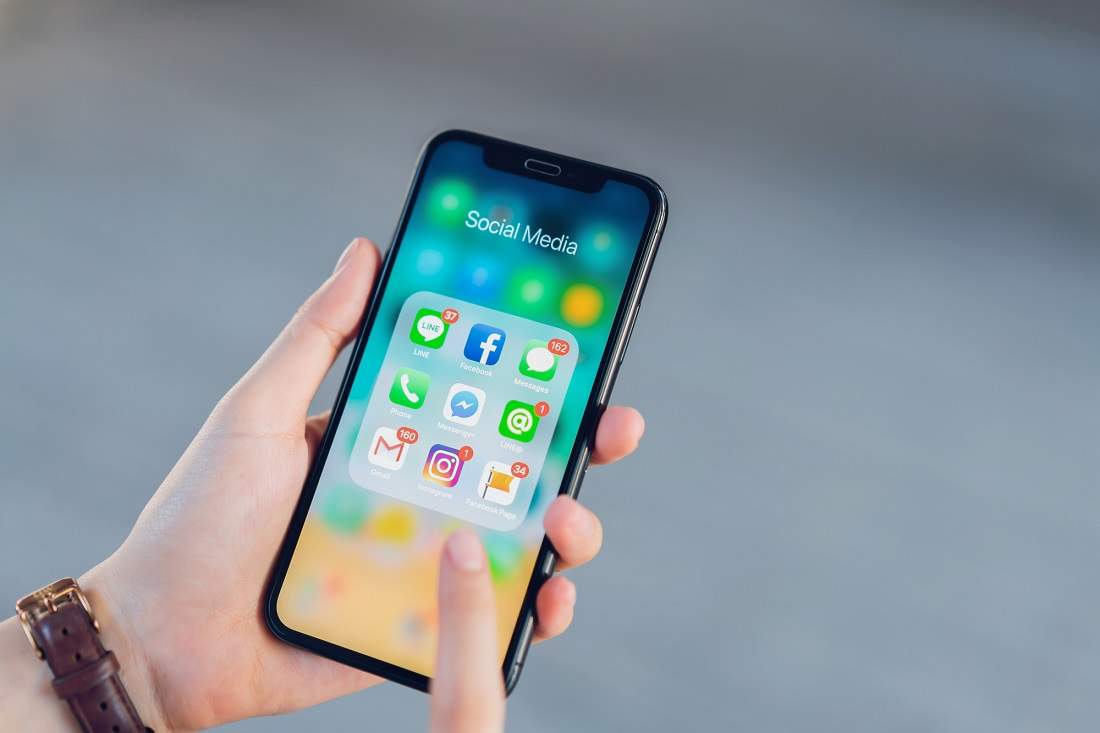
We all know that no matter what an amazing and precious gift life is, it can still be boring from time to time! Whether you are stuck on a long commute, sitting at home alone, or just at a loss for what to do with yourself your phone can be the cure for what ails you, so check out some of our favorite ways it can help with boredom.
1. Ebooks
I absolutely love reading, and now with wonderful apps like kindle you can read anything you like anywhere! If you don’t want to spend money on new releases, there are also plenty of places where you can read the classics for free. After a certain number of years books become public property and therefore don’t cost you a thing, so start crossing a few must-reads off your bucket list today.
2. Games
We all love a good game, from addictive modern faves like Candy Crush to an old-fashioned game of Solitaire, and your phone has so many options to choose from for nothing. Have a look through your app store for something to suit you.
3. Learn A Language
While some people tend to use apps more for fun and games, there are so many that can actually help teach you a new skill or language. What better way to pass a dull day than picking up a few sentences in Spanish while planning your next holiday?
4. Earn Money
There are many ways you could potentially earn money with your phones such as filling out online surveys, setting up an eBay account to sell a few bits and bobs, or even starting your own Etsy store to sell digital downloads and designs. Different apps allow you to have a flutter on different sports including having a bet on tennis or other sports that you may have an interest in.
5. Buy Stuff
Yes, we know how easy it is these days to click and purchase things, but you could turn your boredom into a bonus and think about any upcoming birthdays or other presents you might need to buy and turn your day into something positive.

6. Listen to Music
From the radio to general playlists of different genres to specialized recommendations there are plenty of ways to get listening to music on your phone and give yourself a great backdrop to inspire your next move.
7. Watch a Movie
It is now so easy to get your Netflix or other streaming apps through your phone, and with so much out there to choose from you can surely find something for you! (Though it still sometimes doesn’t feel like it!)
8. Watch something inspirational
With motivational speeches, wellness, and mental health videos, and podcasts or vlogs about people’s own experiences, there are many ways to use your phone to get motivated. A way to cure boredom in the short term and perhaps in the longer term too.
9. Get Fit
Why not check out a new kind of exercise, from yoga videos to exercise classes or a weight lifting regimen there are many tips and hints as well as straight-up coaching to help you start being healthier right away, right from your phone.
10. Reach out to People
Don’t forget what a phone was originally created for, to reach out and call people! Now with the ability to video call too, it can feel like your friends are right there in the room with you, so get calling!